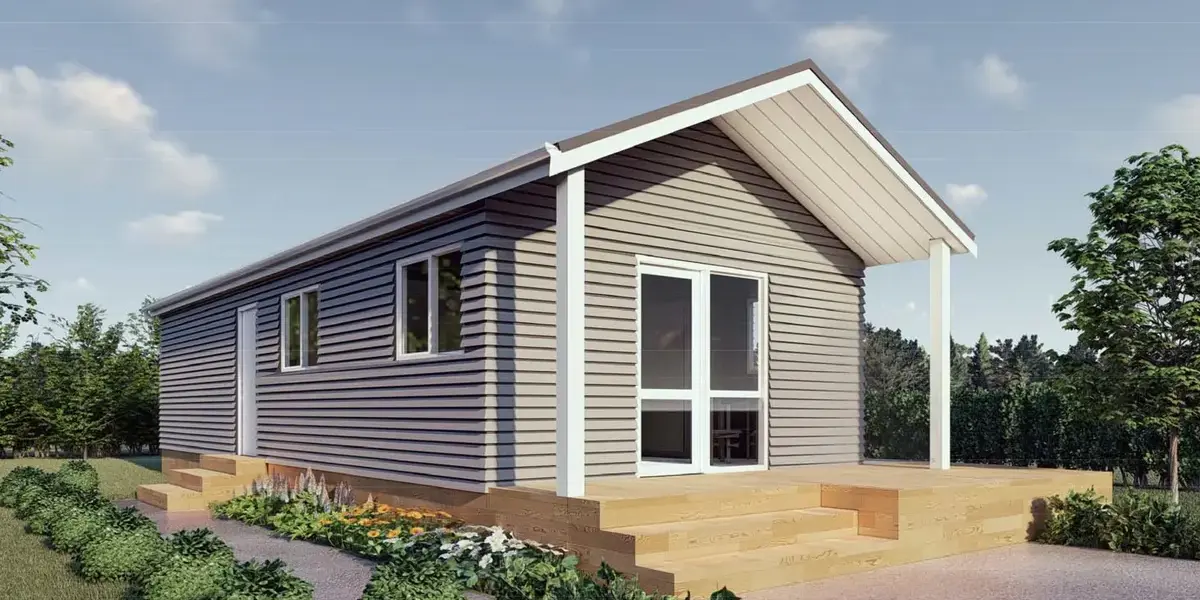

The new regulations for nz consent-exempt granny flats are set to enhance multigenerational living options across New Zealand. Homeowners can now build these structures without the usual consents, provided they meet certain safety standards.
A key requirement is that a Project Information Memorandum (PIM) must be obtained before any on-site work begins. This ensures the home is suitable for the specific section, maintaining Building Code compliance.
Housing Minister Chris Bishop emphasized that this regime is “not a complete free-for-all” and stressed the importance of adhering to local rules. Councils must be notified about the construction of granny flats, and work must be supervised by licensed building practitioners.
While the new rules aim to support intergenerational living and create flexible rental stock, they do come with financial implications. Development contributions for urban granny flats can range from $17,000 to $30,000, whereas rural residential contributions typically fall between $4,000 and $7,000.
Moreover, homeowners should be aware that higher council rates apply for a second dwelling on their property. This could impact their overall budgeting for such projects.
The exemption also includes Structural Insulated Panels (SIPs) with a CodeMark certificate, allowing for more prefabricated building systems. This change reflects a broader trend towards modern and efficient construction methods.
As communities adapt to these new rules, many are hopeful about the potential benefits of increased housing options. Ministers have stated that this package is designed to “give homeowners even more choice while maintaining strong safety and quality standards.”
The local response has been mixed; some residents are excited about the possibilities while others express concerns over potential overcrowding in urban areas. Observers will be watching closely as councils implement these changes and assess their impact on local housing markets.