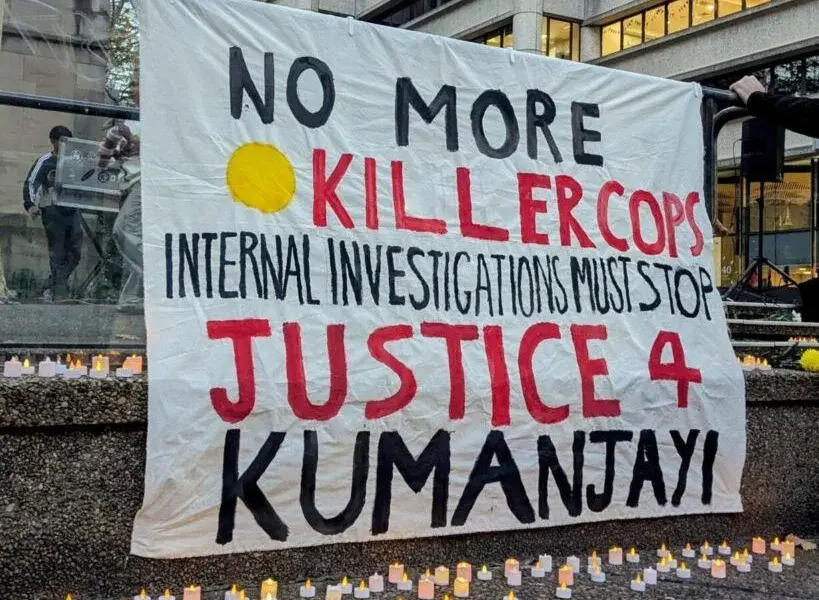

The violent unrest following the arrest of a suspect in the murder of Kumanjayi Little Baby, a five-year-old Warlpiri girl, has shaken the community of Alice Springs. Her body was discovered just five kilometers from where she was last seen alive on April 25, 2026, leading to a wave of grief and anger.
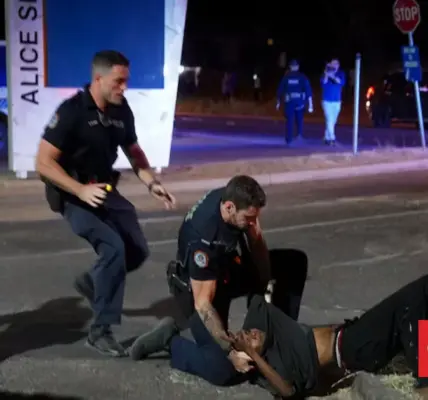
On May 1, 2026, Jefferson Lewis, 47, was arrested in connection with her murder. This triggered a gathering of about 400 people outside the Alice Springs Hospital, where demonstrators demanded “payback.” The atmosphere quickly escalated as police used tear gas to disperse the crowd.
The search for Kumanjayi involved hundreds of volunteers over five days. Mayor Asta Hill expressed that the community is experiencing a significant loss, stating, “This town came together for this little child, black and white.” However, the incident has since sparked violence, damaging police vehicles and ambulances.
Traditional “payback”—a form of punishment rooted in Aboriginal lore—has become a focal point amid the unrest. As tensions rose, approximately 200 people turned on police during the demonstrations. Police Commissioner Martin Dole noted that this violence does not reflect the community’s unity displayed during Kumanjayi’s search.
Kumanjayi’s tragic death has united many in grief but also revealed divisions along racial lines within Alice Springs. Robin Granites emphasized the need for space to mourn: “It is time now for sorry business, to show respect for our family and have space for grieving and remembering.” The aftermath leaves many wondering how these events will reshape community dynamics.