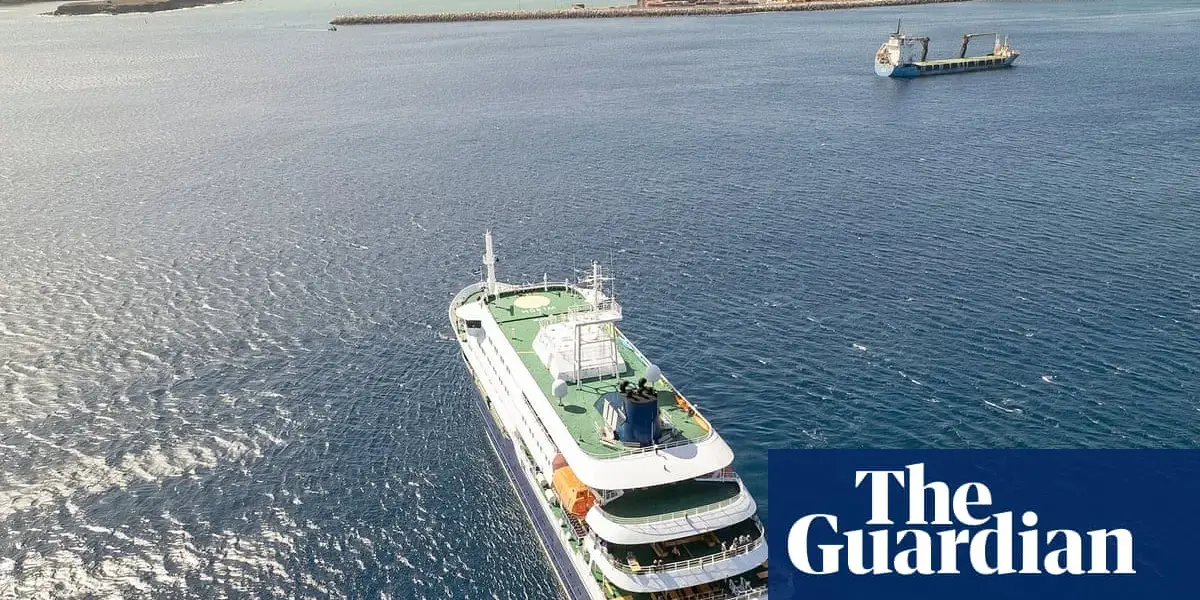

“Hantavirus infections were ‘really rare in humans'” said Dr. Yomani Sarathkumara, reflecting on the tragic outbreak that has claimed three lives aboard the MV Hondius in the Atlantic. This rare virus has raised serious concerns about its transmission and severity.
At least one passenger has tested positive for hantavirus, while six others have fallen ill. Among them, a 69-year-old British man remains in intensive care. The cruise ship was sailing with approximately 200 passengers when the outbreak occurred.
Hantavirus is primarily transmitted through droppings or urine of infected rodents, making it a significant concern for those exposed to such environments. Associate Professor Vinod Balasubramaniam noted that hantaviruses are “typically an environmental exposure linked to rodents.” The World Health Organization is now investigating this outbreak.
The symptoms can escalate quickly, leading to severe acute respiratory illness or hemorrhagic fever. While cases are rare, they often go misdiagnosed, particularly in tropical regions where similar symptoms may arise from other infections.
Key facts about the outbreak:
- Three passengers have died due to the suspected hantavirus outbreak.
- At least one confirmed case among passengers.
- Six passengers reported illness linked to the virus.
- One passenger in intensive care tested positive for hantavirus.
The exact source of this outbreak is still under scrutiny. Investigators are looking into potential rodent reservoirs aboard the ship or during shore excursions. Prof. Adam Taylor mentioned that “a small number of studies have documented human-to-human spread of the Andes strain in South America,” highlighting the complexities surrounding hantavirus transmission.
The nationalities of those who died have not been disclosed yet, leaving many families anxious for information. As health authorities work tirelessly to manage this situation, many onboard reflect on their experiences with a newfound awareness of environmental exposures.