
A mother was recently sentenced to prison for faking her son’s cancer in a shocking case that highlights the troubling issue of deception in fundraising. This incident raises important questions about how such actions impact public trust and the integrity of charitable efforts.
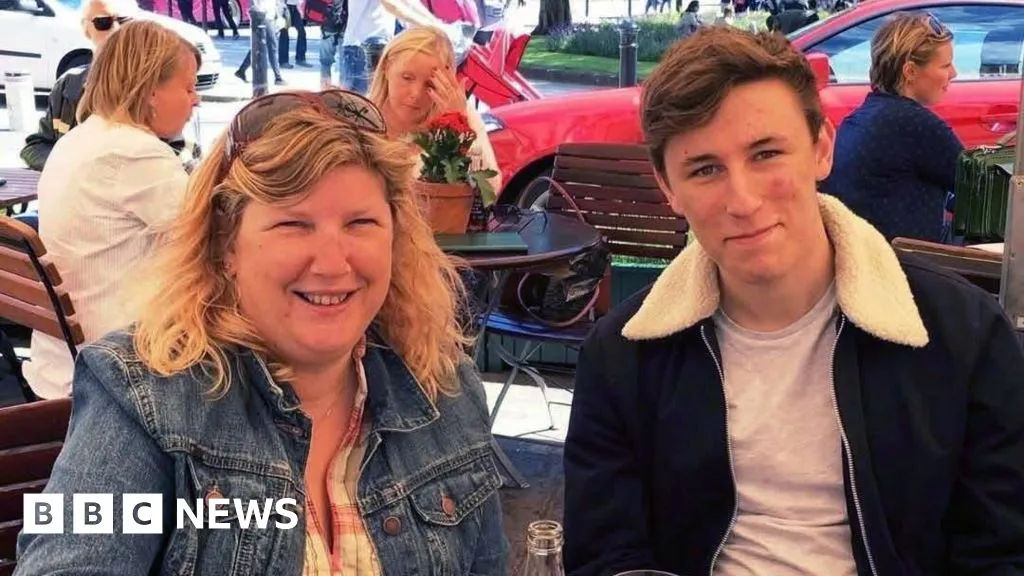
According to prosecutors, this mother exploited her son, who had not been diagnosed with early onset bowel cancer, to fund a lavish lifestyle. The court revealed that she used him as a prop to deceive generous donors.
Caroline, a local parent affected by the rising rates of childhood cancers, expressed her heartbreak: “I really felt, like every parent, that he would have conquered his football dreams… that’s been taken away from him.” Her words reflect the emotional toll that falsehoods can inflict on families genuinely battling illness.
This case emerges against a backdrop of increasing concern regarding child welfare and the ethical standards of fundraising practices. With early onset bowel cancer increasingly affecting young people, it’s crucial to ensure that donations go to those truly in need.
The prosecution described the mother’s actions as selfish—she “selfishly used her son as a prop to deceive” others. This manipulation not only harmed her child but also undermined trust in charitable organizations.
In Amsterdam, authorities have taken steps to regulate advertising related to health and environmental issues. They recently banned public adverts for meat and fossil fuels, indicating a broader trend toward accountability in public messaging.
Meanwhile, scientists are investigating why certain cancers are on the rise among young people, hoping to uncover vital clues that could improve public health initiatives.
As this story unfolds, it remains uncertain how it will influence future regulations around fundraising practices and advertising. Community members continue to call for stricter oversight to protect vulnerable populations from similar deceptions.