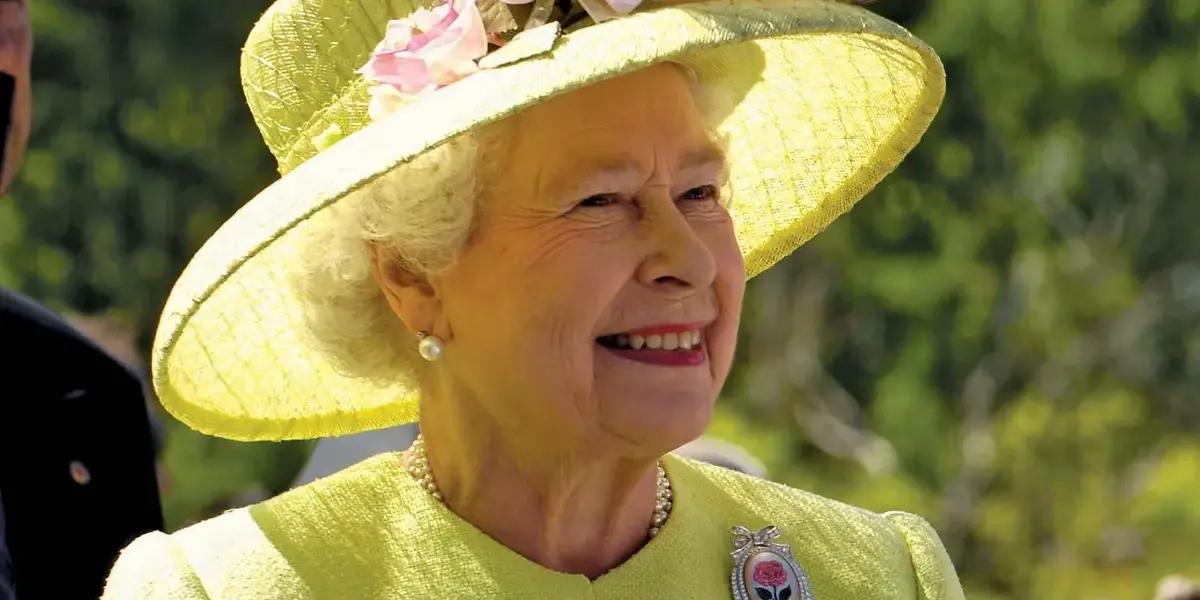
Elizabeth ii: King Charles’s Address to Congress: A Contrast to Queen

In a striking demonstration of changing times, King Charles received an impressive 12 standing ovations during his address to the United States Congress in 2026. This marked a significant contrast to Queen Elizabeth II, who garnered just three standing ovations during her address back in 1991. The difference highlights not only the evolution of the British monarchy but also shifting political climates.
Queen Elizabeth II, who reigned from 1953 until her death in 2022, was known for her ceremonial approach. During her speech in 1991, she focused on themes of international cooperation following the Gulf War, stating, “I do hope you can see me today from where you are.” Her tone was reflective and aimed at fostering unity.
Fast forward to King Charles’s recent address, which carried a sharper strategic edge. He emphasized the importance of maintaining partnerships that have sustained nations for decades. “The partnership must not abandon everything that has sustained us for the last eighty years,” he declared, resonating with members of Congress.
The royal family continues to play a vital role in British society, and their influence remains evident. For instance, pieces from Queen Elizabeth II’s extensive jewelry collection have been worn by Kate Middleton publicly since her passing. Notably, her three-strand pearl necklace was among her most cherished items.
As observers reflect on these two addresses, they note the stark differences not only in reception but also in content and context. While Queen Elizabeth II emphasized stability and continuity, King Charles adopted a more dynamic approach suited to contemporary challenges. The modern world is indeed more dangerous than it was when his mother spoke in this Chamber.
The legacy of Queen Elizabeth II persists through both her family and her iconic jewelry collection. Her granddaughter-in-law has donned various pieces that carry historical significance, ensuring that the Queen’s influence remains woven into the fabric of royal representation.
Looking ahead, it will be interesting to see how King Charles continues to shape his role within the British monarchy and how he engages with global leaders. His ability to resonate with audiences—both at home and abroad—will likely define his reign.
As we observe these developments within the royal family, it’s clear that public sentiment towards the monarchy is evolving alongside broader societal changes.