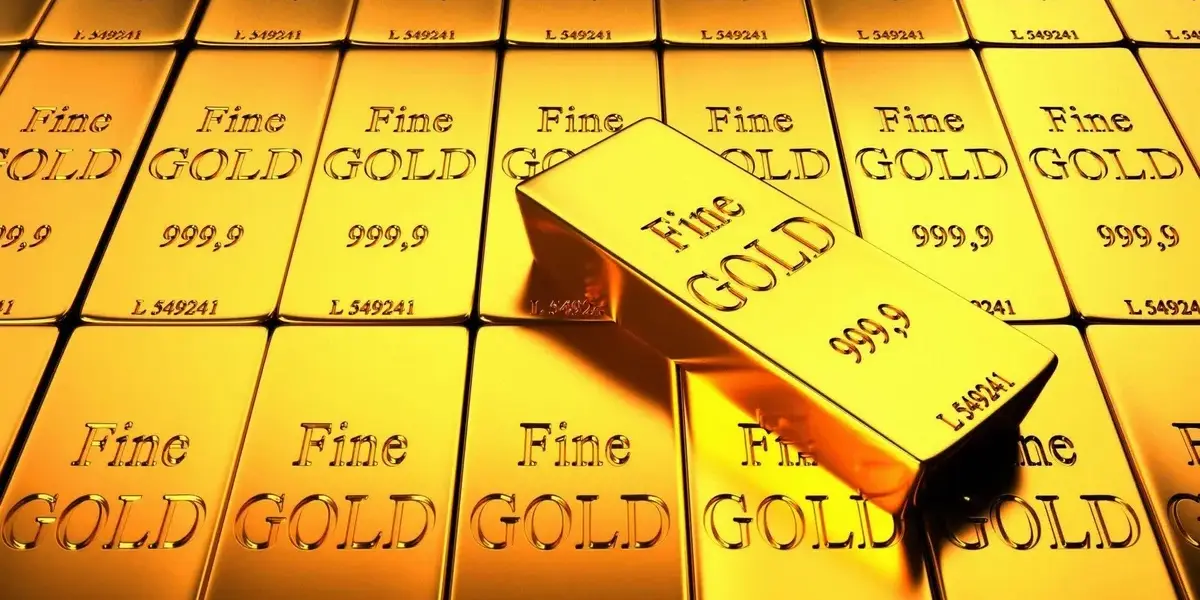

Mali’s vast untapped gold resources are overshadowed by ongoing political instability and security crises. With an estimated 800 tonnes of proven gold reserves, Mali stands as Africa’s third-largest holder of this precious metal. Yet, the country’s potential remains largely unrealized due to turmoil that has persisted since at least 2012.
In 2024, Mali produced about 100 tonnes of gold, making it Africa’s second biggest producer after Ghana. Gold accounts for nearly 80 percent of Mali’s total exports, generating around $4.3 billion. Despite these impressive figures, the wealth generated from gold mining has not translated into broad economic benefits for the local population.
The mining sector is primarily dominated by foreign multinationals, particularly Canadian and Australian firms like Barrick Gold and Ganfeng Lithium. This reliance on foreign companies raises concerns about wealth inequality; many locals feel excluded from the economic resources that their land provides. As economist David McWilliams noted, “The disparity between those who benefit from natural resources and those who live near them can be stark.”
In response to growing concerns about equity, Mali’s government introduced a new mining code allowing the state to take up to a 35 percent stake in mining operations. This move aims to ensure that more wealth remains within the country and supports local development initiatives. However, officials have not confirmed how effectively this policy has been implemented amid ongoing instability.
Mali is estimated to have around 2,000 tonnes of gold deposits. Yet, the combination of political unrest and security challenges has deterred investment in exploration and development. As Rosemary de Lambert pointed out, “Without stability, even the richest resources can become a burden rather than a blessing.”
The historical context of wealth inequality is evident when comparing Mali to other nations. In early 20th century America, just 5% of the population controlled 90% of the wealth—a stark reminder that resource-rich nations can still struggle with equitable distribution. Today in America, the top 10% controls nearly 70 percent of national wealth.
As Mali navigates its complex landscape of wealth and instability, the hope remains that its rich gold resources can eventually contribute to a more equitable society. However, until political stability is achieved, that hope may remain just that—hope.