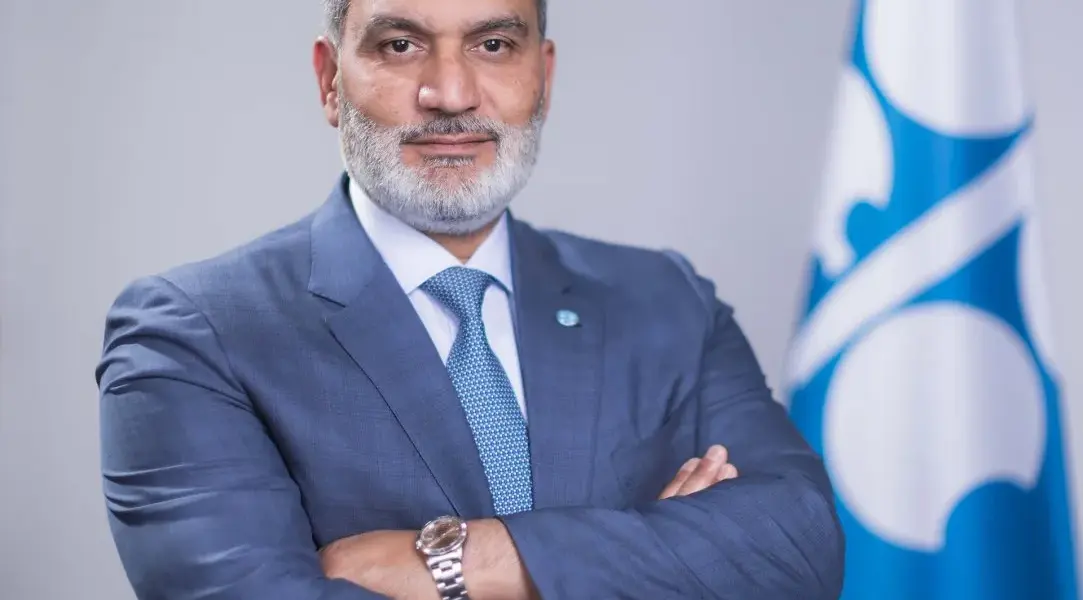

The United Arab Emirates (UAE) has made a bold move by announcing its departure from OPEC on May 1, 2026. This decision marks a significant shift in the dynamics of global oil production, reflecting growing tensions within the cartel. For nearly six decades, since 1967, the UAE has been a member of this influential organization.
In recent years, the UAE has clashed with Saudi Arabia over OPEC production quotas. These disagreements have highlighted differing national interests, particularly as the UAE aims for greater energy independence. With an impressive spare capacity of nearly 4.8 million barrels per day, the UAE plans to ramp up its output toward 5 million barrels per day by next year.
On the day of its announcement, Suhail Al Mazrouei, Minister of Energy and Infrastructure, stated, “The world needs more energy. The world needs more resources, and [the] UAE wanted to be unconstrained by any groups.” This sentiment resonates with many who see the need for flexibility in an ever-changing global market.
The implications of this exit are profound. OPEC will now consist of only 11 members after losing one of its key players. Jorge Leon, an analyst at IHS Markit, remarked that losing a member with such substantial capacity “takes a real tool out of the group’s hands.” The UAE’s departure is perceived as a blow to Saudi Arabia’s influence within OPEC.
Currently, the UAE produces between 3.2 to 3.6 million barrels per day under existing quotas. Despite this production level, it can balance its budget at lower oil prices than Saudi Arabia—$50 per barrel compared to Saudi Arabia’s $90. This financial strategy allows the UAE more room to maneuver as it seeks to expand its market presence.
The ongoing tensions within OPEC over production quotas have become increasingly apparent. David Oxley from IHS Markit noted that “the ties binding OPEC members together have loosened.” As countries pursue their own oil strategies and energy independence, these ties may weaken further.
Looking ahead, analysts are closely monitoring how this shift will affect global oil supply and pricing structures. The UAE has invested around $150 billion to expand its oil production capacity in recent years—an investment that underscores its commitment to becoming a more independent player in the energy sector.
As we move forward into this new chapter for both the UAE and OPEC, one thing is clear: The landscape of global oil production is evolving rapidly, and stakeholders worldwide will need to adapt accordingly.