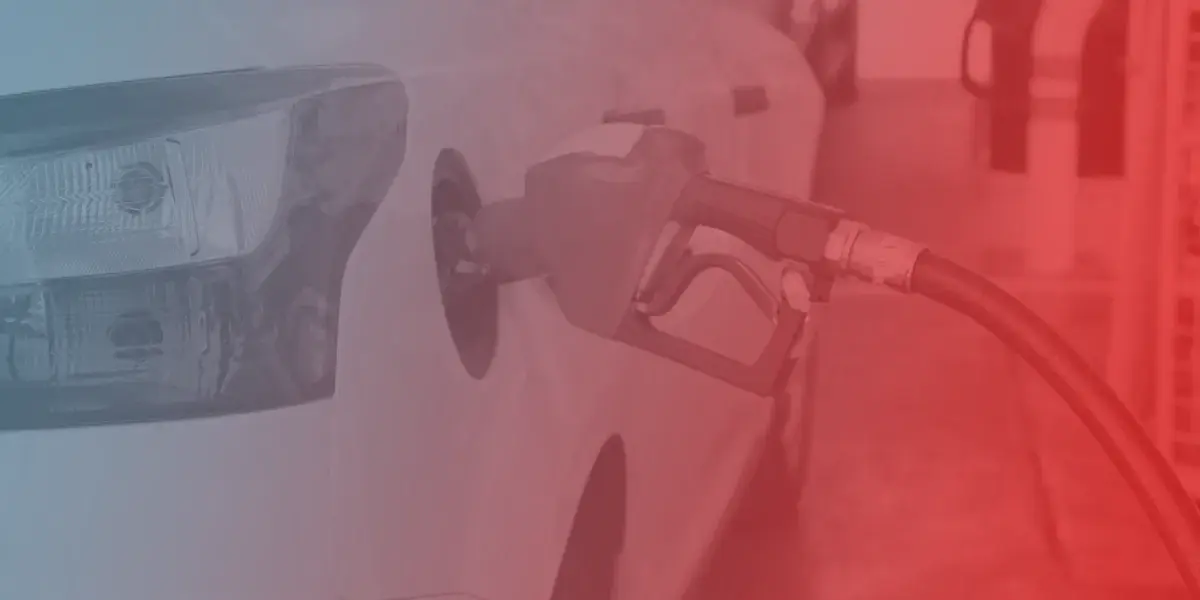

In California, gasoline prices have reached a historic high of $6 per gallon, reflecting broader economic trends and geopolitical tensions. This spike comes as the national average gasoline price climbs to $4.30 per gallon, the highest level since July 2022. Residents are feeling the pinch at the pump, with many expressing concern over how these prices will affect their daily lives.
Patrick De Haan, an analyst at GasBuddy, noted, “Since March 1, Americans have spent $21.7 billion more on filling their tanks with gasoline,” highlighting the financial strain on households across the country. This increase is not just a local issue; it ties into larger narratives around inflation and the US economy’s reliance on oil exports.
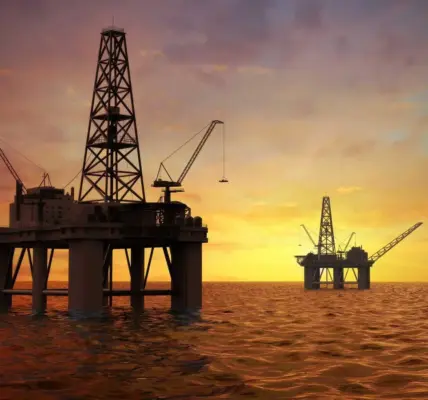
The rising costs come amid significant shifts in global oil markets. The US has recently exported a record 14,179 barrels per day of all petroleum products. However, domestic crude inventories saw a notable draw of 6.2 million barrels, dropping to 459.5 million barrels total. This situation raises questions about refinery capacity and its ability to meet increasing demand.
Additionally, distillate inventories have dropped by 4.5 million barrels—about 11% below the five-year average—further complicating the supply landscape. Analysts at Deutsche Bank remarked, “Today marks a significant, and perhaps unsettling, milestone for the US economy,” suggesting that these price hikes could lead to more widespread economic repercussions.
Residents from places like Nevada and Oregon are also feeling the impact as they travel into California or rely on its supply chain for fuel. As gas prices soar, many are adjusting their budgets and reconsidering travel plans.
As we look ahead, observers are watching closely as OPEC’s recent changes—specifically the UAE’s departure effective May 1—could further influence global oil dynamics. With ongoing conflicts in the Middle East also affecting stability in oil production, many are left wondering how these factors will play out in their everyday lives.
The implications of these rising gas prices extend beyond just what’s paid at the pump; they touch on broader issues of inflation and economic stability that could shape spending habits for months to come.