
A formidable El Niño weather system is expected to significantly impact rainfall across New Zealand this winter. The current forecast indicates a greater than 60% probability that this El Niño event will be classified as “strong” by spring.
According to Earth Sciences New Zealand, the effects of El Niño will start manifesting from winter onwards. Areas such as Southland, parts of Otago, and western-facing regions of the South Island could experience increased rainfall. In contrast, much of the rest of New Zealand may face reduced rainfall.
Jon Tunster from MetService noted, “La Niña has only just ended, but there are indications that we’ll see a rapid flip to El Niño.” He added, “Given the projected strength of this event, it will be very surprising if New Zealand doesn’t feel some impacts.” This sentiment echoes concerns about potential dryness in areas like the east of both islands and the upper North Island.
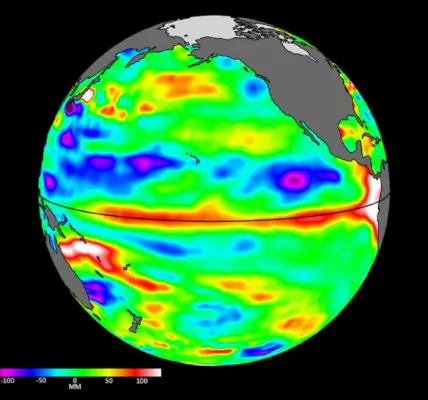
As global temperatures approach a critical threshold—1.5 degrees Celsius—the implications of climate change intertwine with these weather patterns. Associate Professor Daniel Kingston emphasized that “El Niño is often associated with large-scale releases of heat from the tropical Pacific Ocean,” which can dramatically affect global weather systems.
The forecast also suggests that occasional cold snaps may occur throughout the winter, lasting a few days at a time. This variability adds another layer of complexity to how communities prepare for the season ahead.
Earth Sciences New Zealand has been monitoring signs of a developing El Niño for six months. Models indicate that warm sub-surface waters are likely to reach the surface soon, further strengthening atmospheric responses.
As we look ahead, observers expect substantial impacts if the event unfolds as predicted. The next few months will be critical for understanding how these changes in climate will affect local communities and their resources.