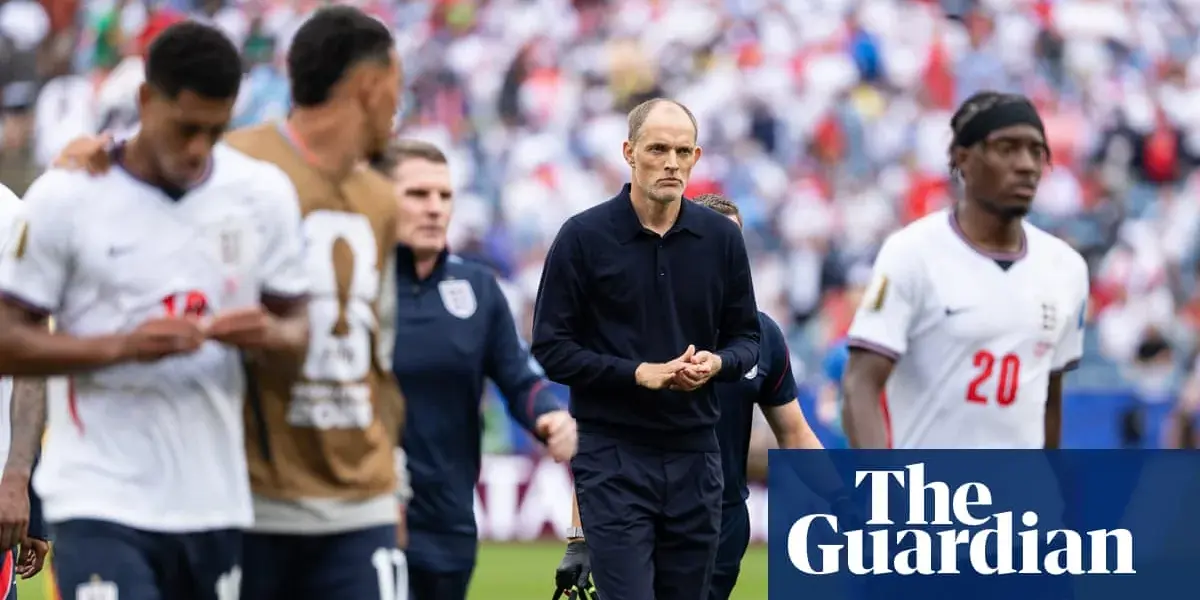
England considers changes after Ghana draw, Saka and Rashford could start against Panama

England’s World Cup Strategy Under Scrutiny
Following a goalless draw against Ghana, England‘s head coach Thomas Tuchel faces increased scrutiny regarding his team selection and strategy for the World Cup 2026. The draw has led to discussions about the team’s ability to break down defensive opposition, a challenge Tuchel previously encountered with his former club.
The match against Ghana saw England struggle to convert possession into clear chances, with the team holding a significant percentage of the ball but managing few threats on goal until late in the game. This performance has prompted calls for changes ahead of their next fixture against Panama.
Potential Line-up Adjustments
One of the most anticipated changes could be in the wide attacking positions. Alan Shearer suggested that Bukayo Saka and Marcus Rashford have shown enough impact from the bench in recent games to warrant starting roles. Saka’s fitness is noted as a potential factor in his previous absences from the starting lineup.
Shearer also indicated that a return for Nico O’Reilly at left-back is possible, citing a perceived lack of creativity on the left side during O’Reilly’s absence. Additionally, John Stones could be brought back into the defence in place of Ezri Konsa, despite the primary issue against Ghana being offensive rather than defensive.
Tuchel’s wingers, Anthony Gordon and Noni Madueke, were criticised for not being direct enough and for poor crossing against Ghana. The team’s delivery from set-pieces was also highlighted as an area needing improvement.
Despite the calls for changes, Tuchel has previously emphasised that building the best team does not necessarily mean selecting the 26 most talented players. His strategy aims for England to play with the characteristics of a Premier League side, which proved effective in their opening game against Croatia.
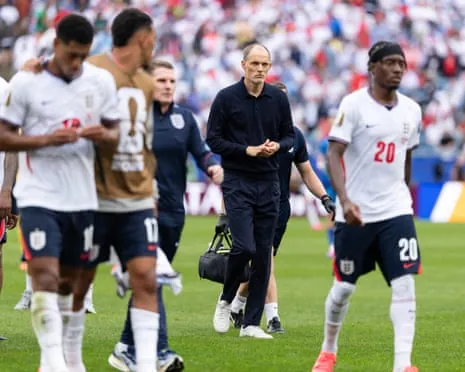
Midfield and Forward Stability
While changes are expected in some areas, the midfield partnership of Declan Rice and Elliot Anderson is likely to remain intact, provided Rice is fit. Harry Kane is also expected to retain his place in the starting lineup, with the team needing a victory against Panama to secure their position in the group.
Panama has already been eliminated from the World Cup after losing both their previous games. They are expected to maintain a defensive approach, similar to Ghana, which will again test England‘s ability to break down a compact defence.
The draw with Ghana, while disappointing, is not considered a disaster, according to Shearer. He noted that other strong teams, such as Spain and France, have also experienced early tournament challenges. England remains at the top of their group and is on track to win it.
Tuchel has expressed caution regarding expectations for returning players like Saka, stating that one individual’s return will not solve all the team’s issues. He aims to avoid placing undue pressure on any single player.
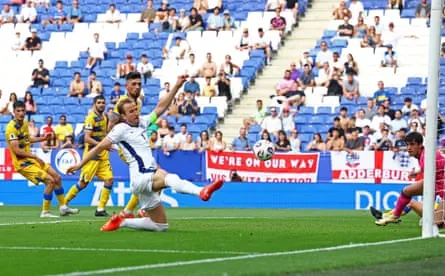
The head coach’s approach is designed for high-stakes knockout matches against top-tier opponents like Brazil or Argentina, where England‘s physical and attacking strengths are intended to be most effective. This strategy was evident in their dominant performance against Croatia.
The team’s performance against Ghana highlighted a need for quicker ball movement and more risk-taking to overcome deep-lying defences. The World Cup is now past its halfway stage in terms of games played.
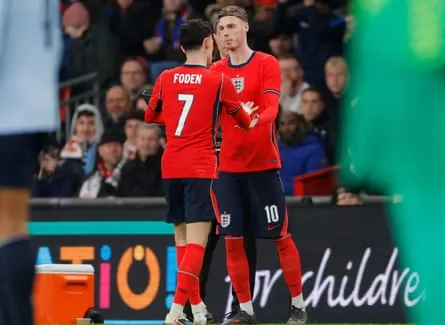
Tuchel’s loyalty to players who have performed well for him is also a factor, with previous opportunities given to Phil Foden and Cole Palmer in March not leading to sustained impressive performances. Elliot Anderson, for example, is seen as capable of delivering line-breaking passes from midfield.
The debate around player selection also includes discussions about players like Trent Alexander-Arnold, Adam Wharton, and Cole Palmer, whose absence from the squad has been questioned by some pundits. Tuchel’s squad announcement in May indicated a focus on team cohesion over individual talent.
England will play Panama on Saturday.
Source: bbc.com