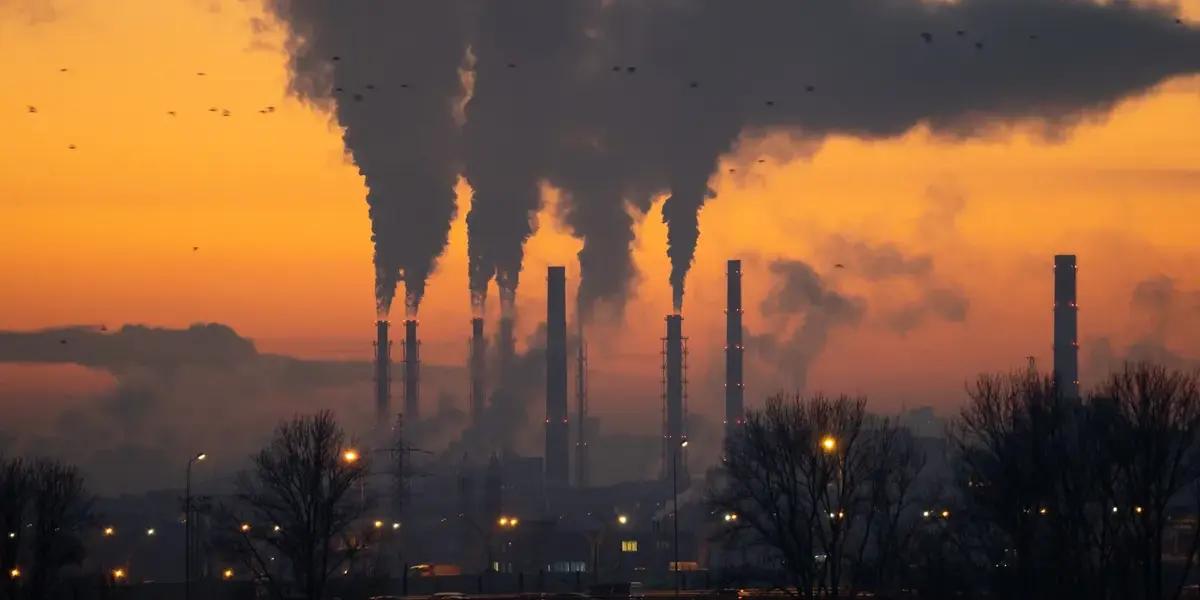

Nepal’s air pollution crisis is alarming, especially in Kathmandu, where the Air Quality Index reached an astonishing 217 on April 23, 2026. This level ranks the city among the world’s most polluted places and poses severe health risks to its residents.
The situation is exacerbated by unmonitored biological pollutants such as aeroallergens, which significantly contribute to respiratory diseases. Dulal, a local environmental advocate, pointed out that “Nepal’s air carries more than dust and diesel. It contains aeroallergens whose health impacts go unexamined because they go unmonitored.” This oversight has serious implications for public health.
In 2023 alone, air pollution claimed over 40,000 lives in Nepal. This staggering number highlights the urgent need for effective monitoring and management of air quality. The World Bank estimates that globally, air pollution contributed to 5.7 million deaths in 2020, illustrating a widespread crisis.
Asthma cases are rising sharply due to these conditions. Dr. Saifuddin Bennoor emphasized the struggles of asthma patients: “Every three seconds, we easily inhale and exhale. But an asthma patient can’t do this easily.” The prevalence of asthma is increasing not just in Nepal but worldwide, driven by both climate change and air pollution.
The situation isn’t unique to Nepal; neighboring countries face similar challenges. For instance, Egypt recorded about 12,600 premature deaths from PM2.5 exposure in 2017 alone. However, recent efforts have led to a significant reduction in burning incidents in Greater Cairo—by nearly two-thirds between 2024 and 2025—and improvements in PM10 levels from 128 µg/m³ in 2020 to 88 µg/m³ in 2025.
Despite these improvements elsewhere, Nepal continues to struggle with comprehensive strategies to combat air pollution. Dr. Arif Mahmud noted that “although asthma is a manageable chronic disease, many patients remain at risk.” This suggests that without proper interventions and monitoring systems in place, many will continue to suffer.
The road ahead remains uncertain for Nepal as officials grapple with these pressing issues. The need for immediate action is clear—without it, the health of countless individuals hangs in the balance.